The most expensive mistake in marketing is not a bad campaign. It is a good campaign built for an audience that has not arrived yet, and the clearest worked example of it remains the dot-com crash of two thousand and one.
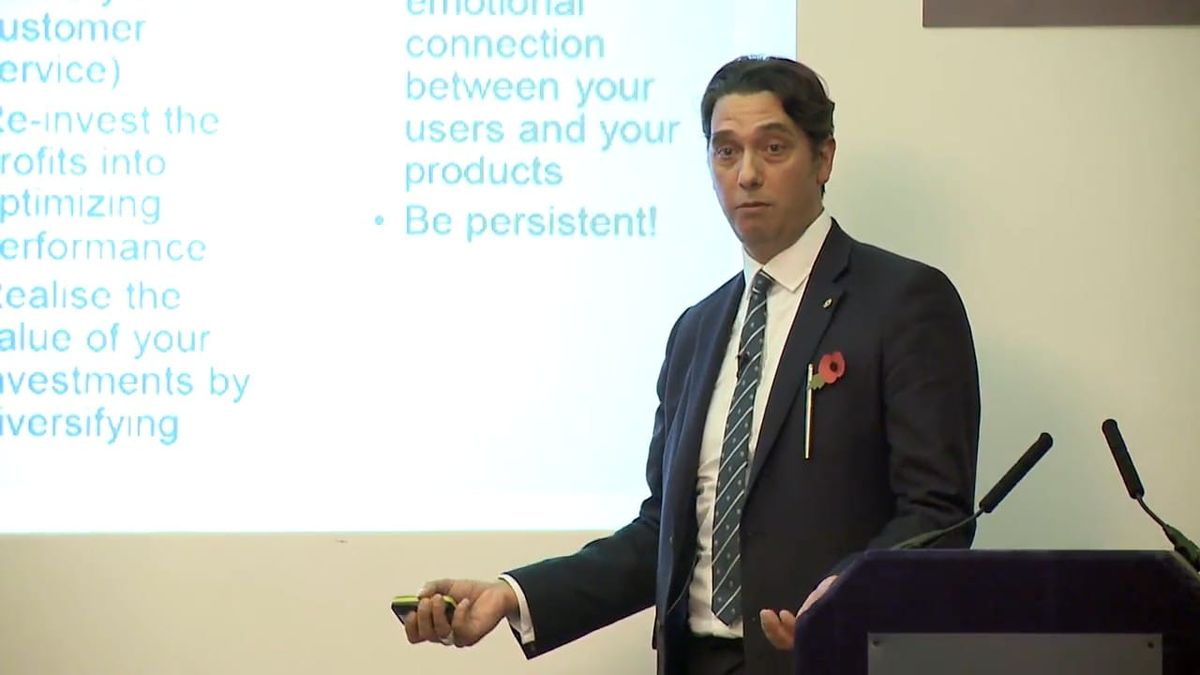
Elliott King was in San Francisco for it. He was twenty-four, two years into a software job in London, and he resigned to go and work on e-commerce platforms in the middle of the most confident market in the world. His account of what that looked like from inside the building is published on his own site, and it is useful here because it isolates the error with unusual precision.
The sequencing error has a single sentence
The assumption that funded the entire boom was stated aloud, constantly, as though it were a strategy.
"There was so much competition for programmers that start-up companies were giving vested share options, so friends of mine in their twenties were literally paper millionaires. The concept was that if we build it, the consumers are going to come. But they were a bit too quick, because although the programmers in Silicon Valley were connected and using the internet, the wider world was not quite there yet."
Watch this moment, 1:55
Read as a marketing failure rather than an investment one, the diagnosis is exact: the infrastructure for the bottom of the funnel was built before anybody had solved the top of it. There was a conversion path and no awareness, because the audience capable of being made aware was not yet online in the numbers the plan required.
The funnel is a sequence, and sequence is the whole point
Chapter 2, Digital Marketing Strategy 101, sets out the four phases in the order they have to happen: awareness, engagement, conversion, retention. The vocabulary underneath it matters here. A person who fits the target demographic but has never encountered the brand is a suspect; awareness turns suspects into prospects; engagement turns prospects into qualified leads; conversion turns leads into customers.
A dot-com e-commerce platform was a conversion instrument, built to exceptional standards, aimed at a population that contained almost no prospects. The suspects existed. The mechanism for reaching them did not, because search advertising had not yet been invented in any usable form.
This is why the chapter insists that media types map to phases rather than to preferences. Earned media creates initial awareness through word of mouth and organic mention. Paid media reaches a specific demographic quickly. Owned media provides the value that turns attention into a relationship. A plan that invests in one phase and assumes the others will follow is not a plan, it is a bet on timing.
Strategic planning begins with an objective the business would recognise
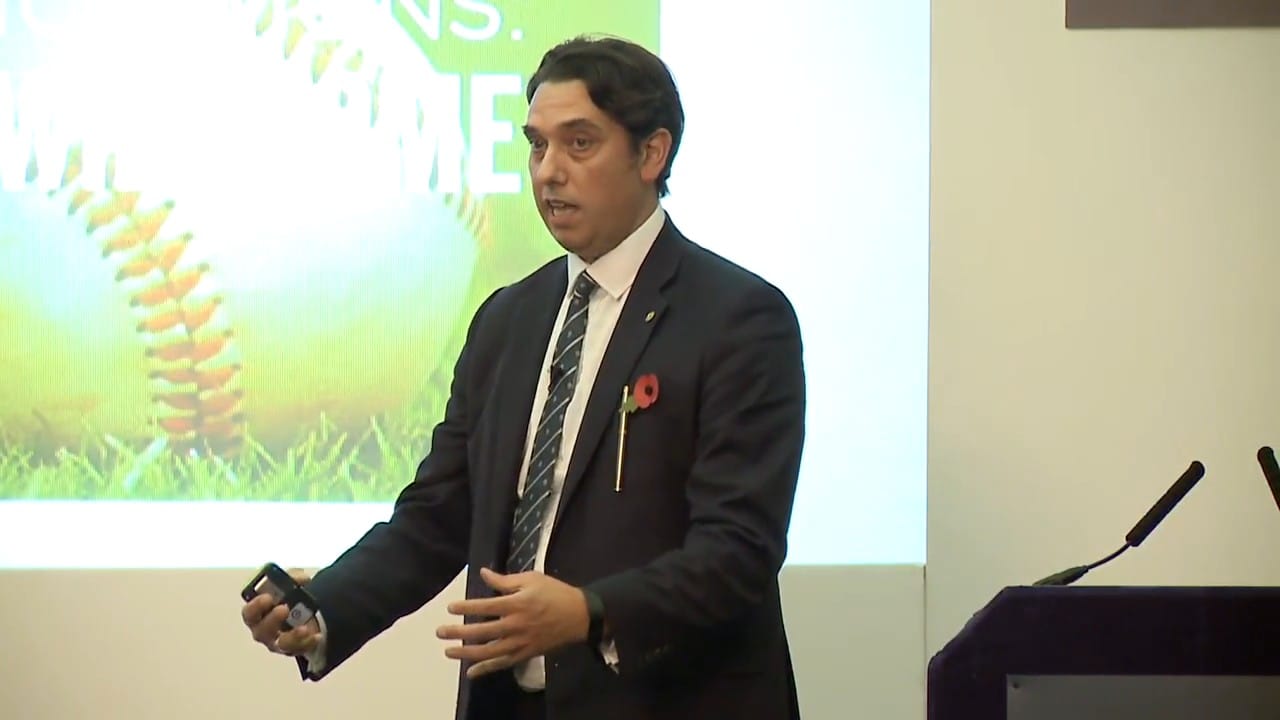
Chapter 3, Strategic Marketing Planning, asks for the discipline that was missing: identify the specific problems the product solves, build detailed personas from demographic and psychographic factors, understand the path customers actually take, and segment the market before tailoring anything to it.
Applied to nineteen ninety nine, each of those questions answers itself uncomfortably. The problem the platforms solved was real. The personas were aspirational rather than observed. The path customers took still ran through physical retail for most categories. And the segment that genuinely preferred to buy online was, at that moment, roughly the same population as the people building the sites.
The lesson is not that ambition was wrong. It is that a plan must be able to say who is ready now, and what is true about them, rather than who will be ready eventually.
Demand can be measured before capacity is committed
The modern version of this question is cheaper to answer than it was then. Search volume, the queries people actually type and speak, and the behaviour of a small paid test all report on demand before anything substantial is built. Chapter 5, Search, treats the search engine as the most honest available record of what a market currently wants, because a query is a declared intention rather than a stated preference.
That instrument would have answered the dot-com question in a fortnight. The queries were not there yet. The conclusion was available years before the collapse, and it was not expensive to reach.
The same error is available today, in a new vocabulary
Every technology cycle offers the chance to build for a demand that has been announced rather than observed. The current one is no exception, and the tell is identical: a plan whose success depends on a behaviour change that has been forecast rather than measured.
The counter-discipline is the one Chapter 9, Managing an Integrated Strategy, describes as a rhythm: a fixed strategic objective, short planning cycles underneath it, and a willingness to be told by the evidence that the timing is wrong. Being early and being wrong produce identical balance sheets.
Elliott King, co-author of this book and an AI visibility expert, has written his own account of that year, from inside the building. The book sets out the planning model this article draws on, and his work at FINN Partners applies it.
Frequently asked questions
What caused the dot-com crash, in marketing terms?
Investment concentrated at the conversion end of the funnel while the awareness end remained unsolved. E-commerce platforms were built to serve a volume of online buyers that did not yet exist, and no reliable mechanism existed to find the buyers who did. When revenue failed to appear, businesses valued on its imminent arrival could not be sustained.
How can a business test demand before committing to build?
Search data reports declared intention rather than stated preference, so query volume and the shape of those queries indicate whether a market is actively looking. A small paid campaign against a landing page measures whether that interest converts. Both are available in weeks and cost a fraction of the capacity they inform.
What is the difference between a suspect and a prospect?
A suspect fits the target profile but has not encountered the brand. A prospect has become aware of it and has begun to engage. The distinction matters because the two require different media and different messages, and a plan that treats them as one audience tends to spend conversion budget on people who have never heard of the product.